Skip to content
Take our survey — win Hawaii apparel
Hawaii.com
Things to Do on Hawaiʻi Island

Things to Do on Hawaiʻi Island

Active volcanoes, manta ray dives, black sand beaches and Kona coffee — more variety than any other island in the state.

Sarah Burchard
By Sarah BurchardLast verified: July 2026Expert verified

I like to visit Hawaiʻi Island in sections. With more than 75 miles between Kona on the west side and Hilo on the east, covering the whole island in one trip is impossible — especially if you want meaningful time anywhere. The internet loves to tell you that here you can see an active volcano, play in the snow atop Mauna Kea and swim with manta rays on the Kona coast all in one day. Technically true, if you wake at 4 a.m. and spend five hours driving — but who wants that on vacation? What those sites are really getting at is the sheer range of landscapes on the largest island in the archipelago, often simply called the Big Island. It is not an island you visit for one thing; because of its size, pick an area to focus on and save the rest for another trip. Most first-timers base in Kona or on the Kohala Coast, where it is sunnier and there are hotels in every price range, plus preserved heritage sites, exceptional snorkeling, sandy beaches and resort life. The tradeoff is the two-hour drive to Hawaiʻi Volcanoes National Park, the Hāmākua Coast and the waterfall hikes near Hilo. Seven days or longer, split your time — half west side, half Hilo. Anything less, stick to one side: the west side and south shore on one trip, the east side and Hāmākua Coast on a return.

Big Island Activities Best For

Best for first-timers

Best for first-timers

Spend a full day at Hawaiʻi Volcanoes National Park hiking and watching a live volcano, then drive to the Mauna Kea Visitor Information Station at 9,200 feet for sunset above the clouds. You do not need the summit to feel Mauna Kea's full impact — these two experiences alone cover the island's top highlights.

Best for adventure

Best for adventure

Take a doors-off helicopter tour from Hilo or Kona. You will fly over places you cannot reach on land — active lava flows, the cliffs of the Waipiʻo and Waimanu Valleys, the green sand beach and the snow-capped summit of Mauna Kea.

Best for families

Best for families

Punaluʻu black sand beach for turtle watching with zero hiking, Hāpuna Beach for the safest, most swimmable water on the island, and the Kona manta ray night snorkel (about $120–180 per person) — comfortable for kids at ease in the water, and the kind of thing they talk about for years.

Best for culture

Best for culture

Puʻuhonua o Hōnaunau National Historical Park — the Place of Refuge, $20 per vehicle — where the kapu system and the idea of redemption are interpreted on a beautifully preserved coastal site. Add the Kaʻūpūlehu petroglyph field, hundreds of images carved into lava and visible from a short boardwalk.

Best for ocean

Best for ocean

The Kona and Kohala manta night dive (an experience found nowhere else in Hawaiʻi), Two-Step at Puʻuhonua o Hōnaunau (the best shore snorkel on the island), or a snorkel tour to the Captain Cook Monument in Kealakekua Bay (from $50 per person).

Best for coffee & food

Best for coffee & food

Tour a working Kona coffee farm (about $20–40 per person) to taste why the beans command their price. Cruise the Hilo Farmers Market for tropical fruit and grab shave ice downtown, and for the best dinner on the island, book a table at Moon & Turtle.

Things to Do in Hilo & East Hawaiʻi

The east side runs from the volcanic landscape of Hawaiʻi Volcanoes National Park in the south to the waterfall-lined Hāmākua Coast stretching north toward Waipiʻo Valley. The park's eastern entrance is closer to Hilo than to Kona, making this the best base for that excursion.

  • Best for first-timers: Hawaiʻi Volcanoes National Park — Crater Rim Drive, the Kīlauea Visitor Center, and a hike or two. $30 per vehicle.
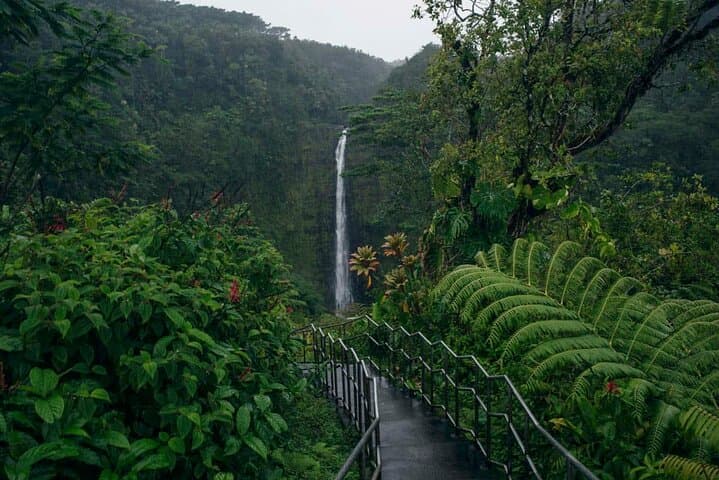
  • Best for waterfalls: the easily accessible Rainbow Falls and 442-foot Akaka Falls State Park, an easy 0.4-mile paved loop ($5 non-resident parking).
  • Best East Side road trip: the Hāmākua Coast north of Hilo, ending at the Waipiʻo Valley Overlook and its 2,000-foot view down to a black sand beach. Rental companies prohibit driving the valley road; the overlook more than suffices.
  • Best for local culture: a day in Hilo town — gardens, locally-made apparel, decades-old family restaurants, and the free, underrated Panaʻewa Rainforest Zoo. What you will not find here is swimmable beaches or reliable sun.
  • Best East Side adventure: Mauna Kea. The Visitor Information Station at 9,200 feet is open 9 a.m.–9 p.m. and reachable by any car; above it the road is unpaved, 4WD-only, and off-limits to most rentals — go with a tour for the summit. Always acclimatize at the station for 30 minutes first.

Things to Do in Kona & West Hawaiʻi

The Kona Coast is the opposite of the east side — drier, sunnier, warmer and built for resort stays. Aliʻi Drive runs the historic waterfront, lined with restaurants, coffee shops and bars. Snorkeling, coffee-farm tours, cultural sightseeing and the evening manta ray dive are the things to do here.

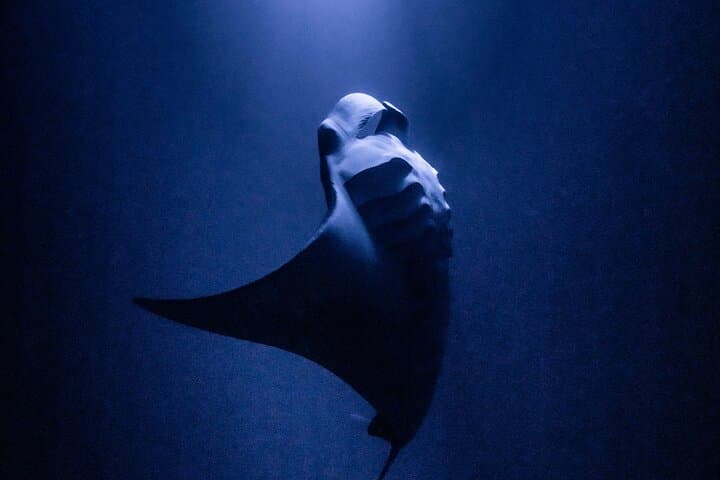
  • Best unique experience: the Kona manta ray night dive — the most singular thing to do in all of Hawaiʻi. Year-round; $120–180 per person.
  • Best for coffee: Greenwell Farms — free tours, 9 a.m.–3 p.m., about an hour, no reservation needed.
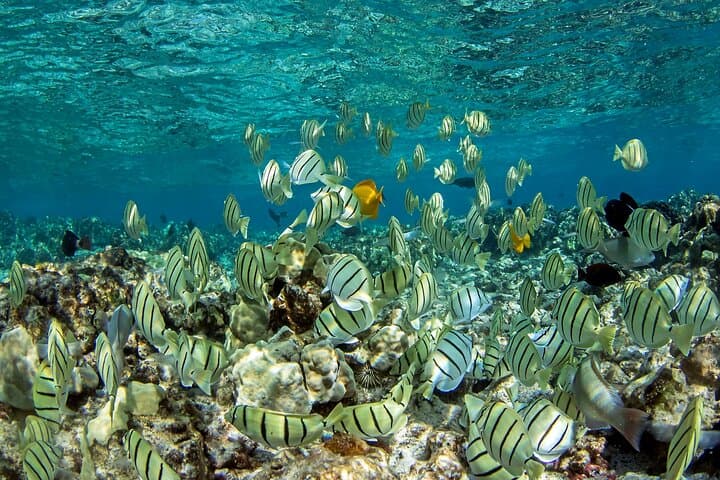
  • Best for snorkeling: Two-Step at Puʻuhonua o Hōnaunau, the island's best shore snorkel. $20 per vehicle.
  • Best beach: Hāpuna Beach State Park — soft white sand, swimming, a lifeguard and restrooms. $5 non-resident parking.
  • Best upcountry escape: Waimea town — cooler, pastoral paniolo country 45 minutes from Kona. Take Kohala Mountain Road for farmland on one side and ocean views on the other.
Kona Night Manta Ray Snorkel | Small Group ExperienceHawaiʻi IslandFree cancellation

Kona Night Manta Ray Snorkel | Small Group Experience

Join us for an unforgettable evening as we take you up close to Kona’s incredible manta rays—without the big crowds. Our Night Manta Snorkel is designed to be personal, relaxed, and unforgettable. With just 12 guests max, you’ll enjoy plenty of space, personalized attention, and unbeatable front-row views of the manta action. Once in the water, you’ll float effortlessly on the surface for 30–40 minutes while holding onto our custom light board. Its powerful lights attract plankton, which in turn draws the mantas in close. Before long, you’ll be watching these graceful giants glide and loop below you—an encounter you’ll never forget. Requirements: To join, you must be comfortable in the water and able to float on the surface with the assistance of a waist flotation device. You don’t need to be an expert swimmer, but you should feel confident using a mask and snorkel.

5.0(31)2 hours
From $150Book Now
Hilo Shore Excursion: Akaka Falls, Volcano, & Black Sand BeachOʻahuFree cancellation

Hilo Shore Excursion: Akaka Falls, Volcano, & Black Sand Beach

Experience the lush beauty of Big Island’s Hamakua Coast on our tour to ʻAkaka Falls State Park, where the Island’s tropical splendor is on full display. Akaka Falls is a towering waterfall, cascading 442 feet (135 meters) down into a lush gorge. Your all inclusive tour includes the Hilo Discovery and Volcanoes National Park Explorer packages. As a locally owned and operated tour company based on Hawaiʻi Island, we offer immersive, guided experiences while sharing not just the breathtaking beauty of volcanoes, waterfalls, and valleys – but the stories, language, and spirit that make these places sacred. Our expertly guided tours highlight the island’s natural beauty, rich history, and volcanic landscapes. We also offer custom and private tours!

5.0(23)7h–8h
From $187.5Book Now
Sarah Burchard

Editor's Pick

My Recommended Activities by Area

Kona (West)

The driest, sunniest side. The historic Aliʻi Drive waterfront is a strip of restaurants, dive bars and shops geared to visitors, and above town the Kona coffee belt runs through Holualoa, Kealakekua and Captain Cook — more than 70 farms, several offering tours and tastings. The coast holds Puʻuhonua o Hōnaunau (the Place of Refuge), the Captain Cook Monument and preserved heiau; Two-Step and Kahaluʻu are premier day snorkels, and by night you can snorkel with manta rays off Keauhou. Best for first-time visitors who want culture and sightseeing.

Kohala (North)

Home to the island's luxury resorts — Mauna Kea Beach Hotel, Mauna Lani, Fairmont Orchid — and its best swimming beaches along a long, sheltered shoreline. Hāpuna Beach has soft white sand and calm water, ideal for families and less-confident swimmers. Thirty minutes uphill, Waimea is cool, green paniolo ranch country with farmers markets and small-town intimacy, and the Kohala Mountain Road between them is one of the island's most quietly spectacular drives.

Hilo & Hāmākua (East)

The island's largest, least touristy town. Over 130 inches of rain a year make this the wet side — and give it lush rainforest and towering waterfalls like ʻAkaka and Rainbow Falls. The daily Hilo Farmers Market brims with tropical fruit, the Hāmākua Coast to the north is a scenic drive past historic towns and world-class chocolate, and Hawaiʻi Volcanoes National Park is under an hour away. Hilo is for visitors who would rather be out on excursions than in a resort, and who are charmed by old storefronts, family-run restaurants and nature.

Volcanoes & Kaʻū (South)

Hawaiʻi Volcanoes National Park sits 30 miles southwest of Hilo and 96 southeast of Kona, open year-round, 24 hours, $30 per vehicle for seven days. This is where Kīlauea has erupted on and off for decades, where you drive the 22-mile Chain of Craters Road from summit to sea and watch sunset over Halemaʻumaʻu. The surrounding Kaʻū district adds Punaluʻu black sand beach (with frequent sea turtles) and Kaʻū coffee farms whose beans often rival Kona's.

Sarah Burchard

Insider Tips

Know Before You Go

  1. 1Hawaiʻi Island is the largest island in the Hawaiian archipelago — 4,028 square miles, nearly twice the combined area of all the other Hawaiian islands. The Kona to Hilo drive takes over two hours. Kona to the national park is the same. Kona to the Mauna Kea Visitor Information Station is about 45 minutes. You cannot do both Hilo and the national park as a Kona day trip without sacrificing one of them entirely. Five days is the minimum to see the island, seven is what it actually takes to move through it at a pace where you won’t feel rushed. April through May and September through October are the best windows for weather, fewer crowds and chapter hotel prices. Hawaiʻi Volcanoes National Park deserves an overnight stay if you can swing it. I recommend staying at Kilauea Lodge or Hawaii Volcano House.
  2. 2Kona is good for first-time visitors who want to stay at a resort and have consistent sunshine and beach access. Hilo is for visitors who have been to Hawaiʻi Island before and want a less touristy experience. They don’t mind some rain in return for giant, gushing waterfalls. The cleanest plan for a trip of five days or longer: two or three nights in Kona or Kohala, two nights near or in Hilo with the national park between them. Together, each side gives you the full picture of what this island is all about. If you’re mostly interested in resort-style beach lounging, head to Maui instead — Hawaiʻi Island isn’t known for its beaches.
  3. 3The one thing many visitors don’t know about Hawaiʻi Island is the vog. Kīlauea's volcanic emissions produce a sulfur dioxide haze that drifts west to the Kona coast on windy days. Vog can be harsh for visitors with respiratory sensitivities and allergies. It is not always present and it is not always severe, but it is a real condition of life on the leeward side and worth knowing about before you book. On heavy vog days the horizon disappears, the air carries a faint chemical smell and people with asthma notice it immediately. Check the vog forecast at vog.hi.gov before you plan outdoor activities on the Kona coast — it updates daily and gives you enough lead time to adjust your plans.

Plan Your Visit

Start here

When to Visit the Big Island

The Big Island is a year-round destination. Whale watching peaks December through April off the Kohala coast. Mauna Kea stargazing is best October through March. Volcano activity is ongoing — check nps.gov/havo for current conditions before visiting.

Getting Around the Big Island

Rent a car — the island is too large for shuttles or public transit to be practical. For Waipiʻo Valley or the Mauna Kea summit road, you will need 4WD. Most standard rental agreements prohibit driving above the 9,300-foot visitor center on the summit access road.

Where to Stay

First-timers: stay in Kona for sunshine, snorkeling, and resort ammenities. Return visitors or those who want a local experience: Hilo is a shorter drive to Hawaiʻi Volcanoes National Park, Big Island waterfalls, and the Hilo Farmers Market.

Related Guides

Frequently Asked Questions

Sarah Burchard
Sarah Burchard

Editor · Oʻahu

Sarah Burchard has called Oʻahu home since 2017. com, Hana Hou, FLUX Hawaiʻi, Forbes, Hawaiʻi Magazine and Honolulu Magazine.

More from Sarah