Home
/Blog & guides
/Reef-Safe Sunscreen in Hawaiʻi: What’s Legal, What Works and What to Know Before You Go
By Hawaii.com
8 January, 2026
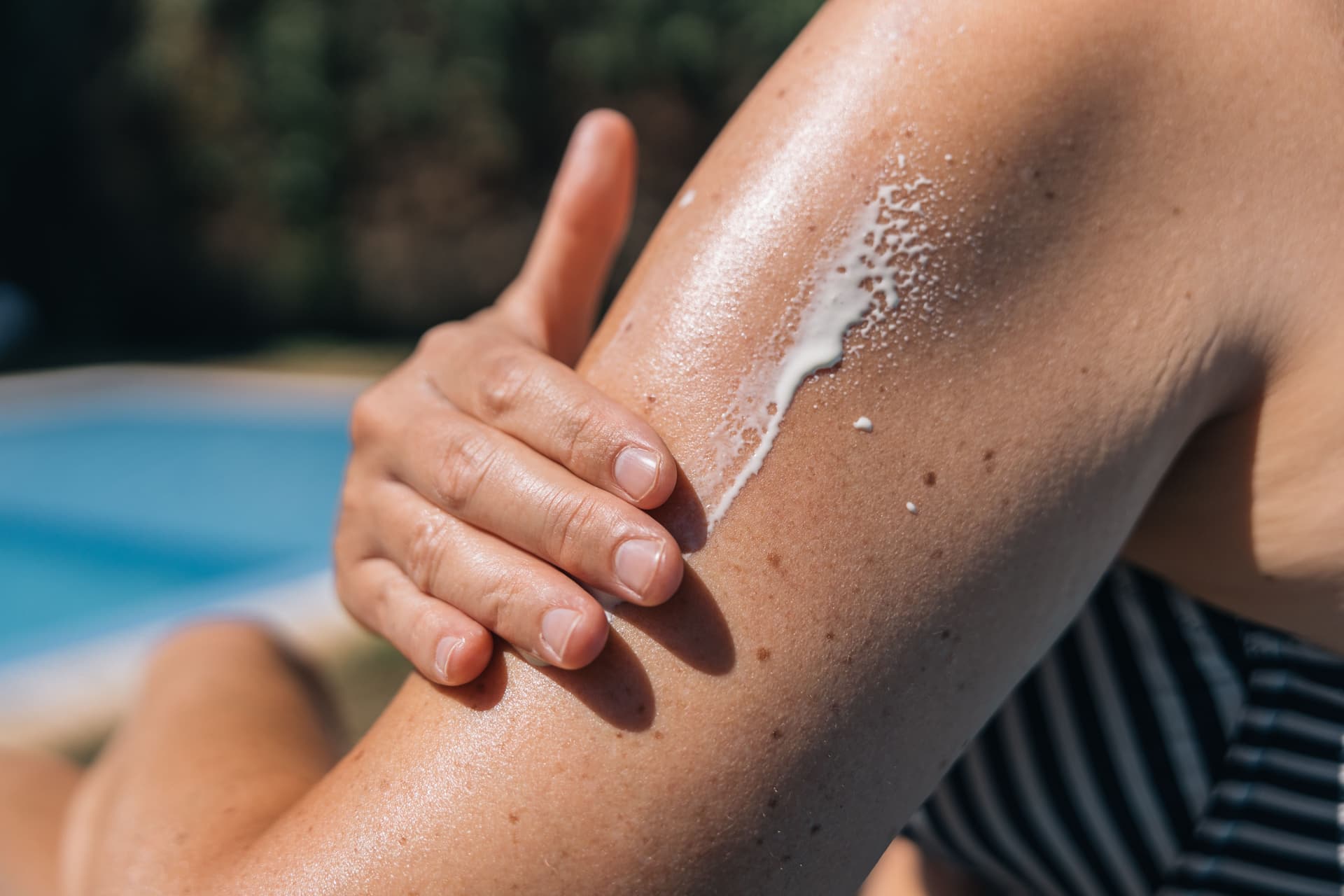
Not all sunscreens are allowed or appropriate to use in Hawaiʻi. Certain ingredients are restricted by law, some formulas harm coral reefs and others simply don’t hold up in the ocean or Hawaiʻi’s intense sun. Keep reading to learn how to choose a sunscreen that’s legal, reef-safe, and effective for your trip, so you can protect your skin without harming the environment or violating local regulations.
Or, if you're ready to buy now, take a look at a few of our favorites that you can purchase on Amazon.com. Note: Hawaii.com earns commission on these purchases.
Hawaiʻi has some of the strictest sunscreen regulations in the world, and they apply statewide, not just at beaches. These rules are taken seriously by residents, conservation groups and tour operators. Some airlines flying into Hawaiʻi even share information about reef-safe sunscreen laws during flights to help visitors comply before they land.
Under Hawaii Revised Statutes §342D-21, the state prohibits the sale and distribution of sunscreens containing:
Oxybenzone
Octinoxate
In simple terms, the law states that sunscreens containing these ingredients cannot be sold or distributed in Hawaiʻi because they are known to cause harm to coral reefs and marine ecosystems.
Scientific studies have linked even small concentrations of these chemicals to coral bleaching, DNA damage in coral larvae and disruption of marine life. The law was created to help protect Hawaiʻi’s reefs, which are already under stress from climate change, warming ocean temperatures and heavy visitor use.
Across the entire state of Hawaiʻi, not just at popular snorkeling beaches
Applies to retail sales and commercial distribution
Many marine protected areas and tour operators apply stricter guidelines than the law itself
While only certain ingredients are banned by statute, visitors are often expected to follow site-specific rules and operator requirements. Choosing compliant sunscreen is part of being a responsible traveler in Hawaiʻi.
“Reef-safe” is not a regulated term. A product can be labeled reef-safe and still contain ingredients that are discouraged or restricted in Hawaiʻi.
Not all mineral sunscreens are the same. Some contain nano-sized particles or additives that raise environmental concerns.
“Biodegradable” does not mean reef-safe. A product can break down over time and still damage coral and marine organisms.
The safest approach is to ignore front-label claims and read the ingredient list.
Understanding sunscreen ingredients makes choosing the right product much easier, and helps you avoid accidentally bringing a non-compliant sunscreen from home.
Oxybenzone and octinoxate are banned by law statewide while other ingredients listed below are discouraged due to environmental concerns.
Avoid sunscreens containing:
Oxybenzone (benzophenone-3)
Octinoxate (octyl methoxycinnamate)
Octocrylene (widely discouraged due to reef and marine toxicity concerns)
Homosalate (under increasing scrutiny for environmental impact)
These ingredients are most commonly found in chemical sunscreens, which absorb UV rays rather than physically blocking them.
Look for mineral-based sunscreens that use:
Non-nano zinc oxide
Non-nano titanium dioxide
Mineral sunscreens sit on top of the skin and physically reflect UV rays. They are far less likely to harm coral or marine life when used properly.
Mineral sunscreen: Reef-friendlier, works immediately, may leave a white cast
Chemical sunscreen: Easier to apply, but often contains ingredients harmful to reefs
Biodegradable refers to how a product breaks down over time not how it interacts with coral, fish, or plankton. Always prioritize ingredient safety, not environmental buzzwords.

Photo by Ben Ono, courtesy of Hawaiiʻ Tourism Authority.
Yes, but it works best when used correctly and with realistic expectations.
Even water-resistant mineral sunscreens typically last 40 to 80 minutes in the water. Snorkeling, swimming, waves and rubbing against gear all reduce effectiveness.
Plan to reapply sunscreen:
After swimming or snorkeling
After heavy sweating
At least every two hours when outdoors
Skipping reapplication is one of the most common reasons people get burned in Hawaiʻi.
Mineral formulas are thicker and sit on the skin’s surface. They can rub off on towels, rash guards, snorkel masks and wetsuits. This doesn’t mean they don’t work, it just means application technique and timing matter more.
Snorkeling: Choose thicker, water-resistant mineral sunscreen
Hiking: Sweat-resistant mineral formulas perform better
Beach lounging: Any compliant mineral sunscreen works with proper reapplication
Here’s how to choose the right type of sunscreen based on what you’ll be doing, with some examples of local brands we love.
Supports beach clean-ups
Supports coastal restoration
Gentle on sensitive skin
Goes on sheer
Why it matters: Purchases support non-profits that protect and regenerate oceans and coastal ecosystems.
Try: Project Reef
Thick, mineral-based lotion
High water resistance
Minimal additives
Why it matters: Sunscreen washes off fastest during snorkeling and reef exposure.
Try: Safe Sea, Raw Love, Hook Ya, 4 Ocean
Mineral-only formulas
Fragrance-free
Why it matters: Children’s skin is more sensitive, and they often spend longer in the water, which means sunscreen needs to be gentle and durable.
Try: Badger Mineral Sunscreen Cream
Zinc oxide only
No fragrances or preservatives
Fewer inactive ingredients
Try: Kokua Sun Care, Thrive
Water- and sweat-resistant mineral sunscreen
Lotion or cream formulas (sprays are less effective in wind)
Try: Thinksport SPF 50+
Tinted mineral sunscreen
Well-rubbed zinc formulas
Why it matters: If you’re heading from the beach straight to lunch, you may want to avoid that unmistakable all-zinc look.
Try: Babo
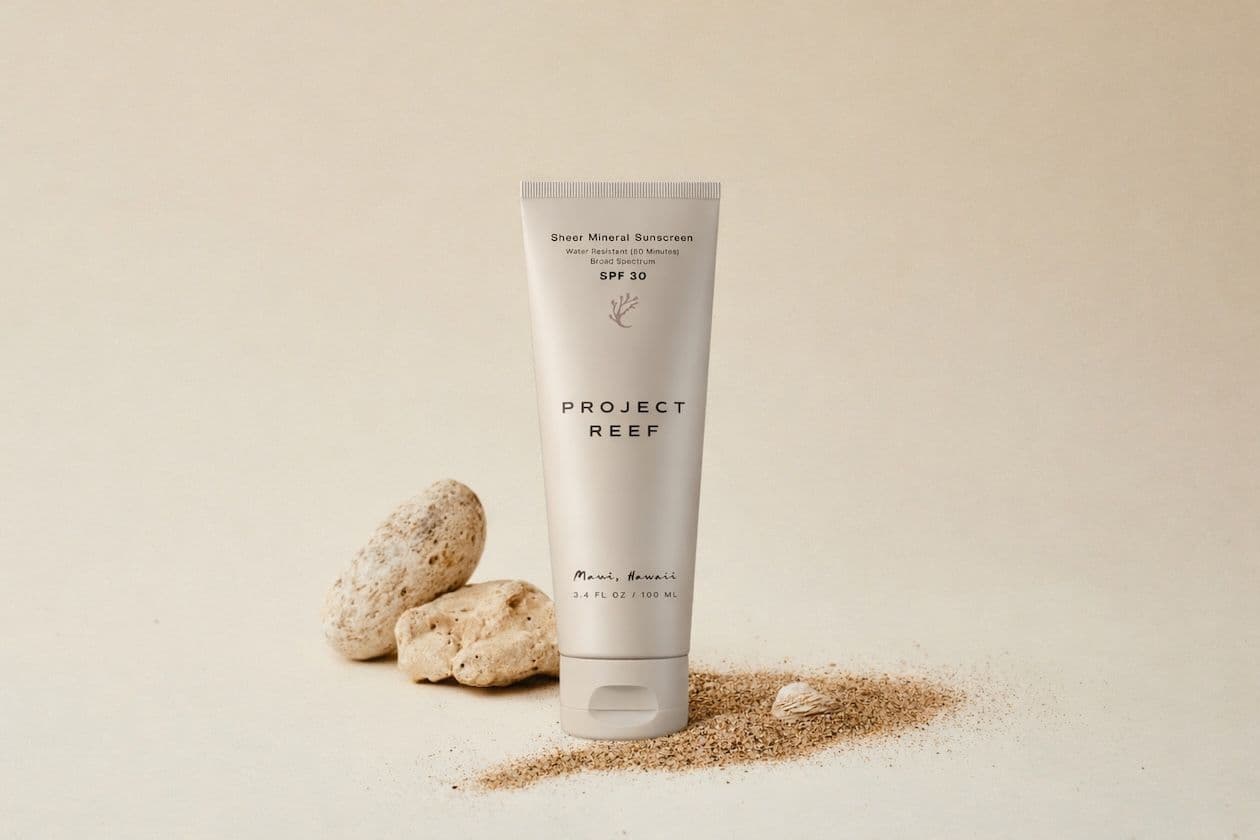
Courtesy of Project Reef.
While the state law applies everywhere, enforcement is often stricter at specific sites.
Expect reef-safe sunscreen requirements at:
Marine protected areas
Popular snorkeling locations
Guided snorkel tours and boat excursions
Many tour operators will not allow guests into the water if their sunscreen does not meet their reef-safe guidelines.
See all

Photo by Ben Ono, courtesy of Hawaiiʻ Tourism Authority.
Most visitors want to do the right thing — but these mistakes are common:
Assuming “reef-friendly” labels are regulated
Bringing sunscreen from home without checking the ingredients
Not reapplying mineral sunscreen often enough
Using spray sunscreen in windy beach conditions
Relying on sunscreen as their only form of sun protection
Avoiding these mistakes protects both your skin and Hawaiʻi’s reefs.
Yes. Hawaiʻi bans the sale and distribution of sunscreens containing oxybenzone and octinoxate statewide. In addition, many locations and tour operators encourage or require reef-safe sunscreen based on environmental guidelines.
Oxybenzone and octinoxate are banned statewide. Other ingredients are discouraged due to environmental impact.
Yes, but it should comply with Hawaiʻi’s ingredient restrictions to be appropriate for use.
Some are allowed, but sprays are often discouraged because they're less effective and can drift into the environment.
Some hotels provide sunscreen at pools or sell it onsite, but availability varies. It’s best to bring or buy your own.
You may be denied entry to certain sites or tours and you risk harming fragile reef ecosystems.
Sunscreen alone often isn’t enough in Hawaiʻi’s intense sun. The most effective approach combines reef-safe mineral sunscreen with physical sun protection. Rash guards, hats and lightweight long sleeves reduce how much sunscreen you need and how much ends up in the ocean.
When used correctly, mineral sunscreen plus smart coverage protects both your skin and the reefs that make Hawaii so special.
For more trip-planning tips, explore our guides to Oʻahu, Maui, Kauaʻi and Hawaiʻi Island, or read our snorkeling safety guide before heading into the water.
Join our newsletter for travel inspiration, insider tips and the latest island stories.
By subscribing, you agree to receive emails from Hawaii.com. You can unsubscribe anytime. See our Privacy Policy.